
#文房
-
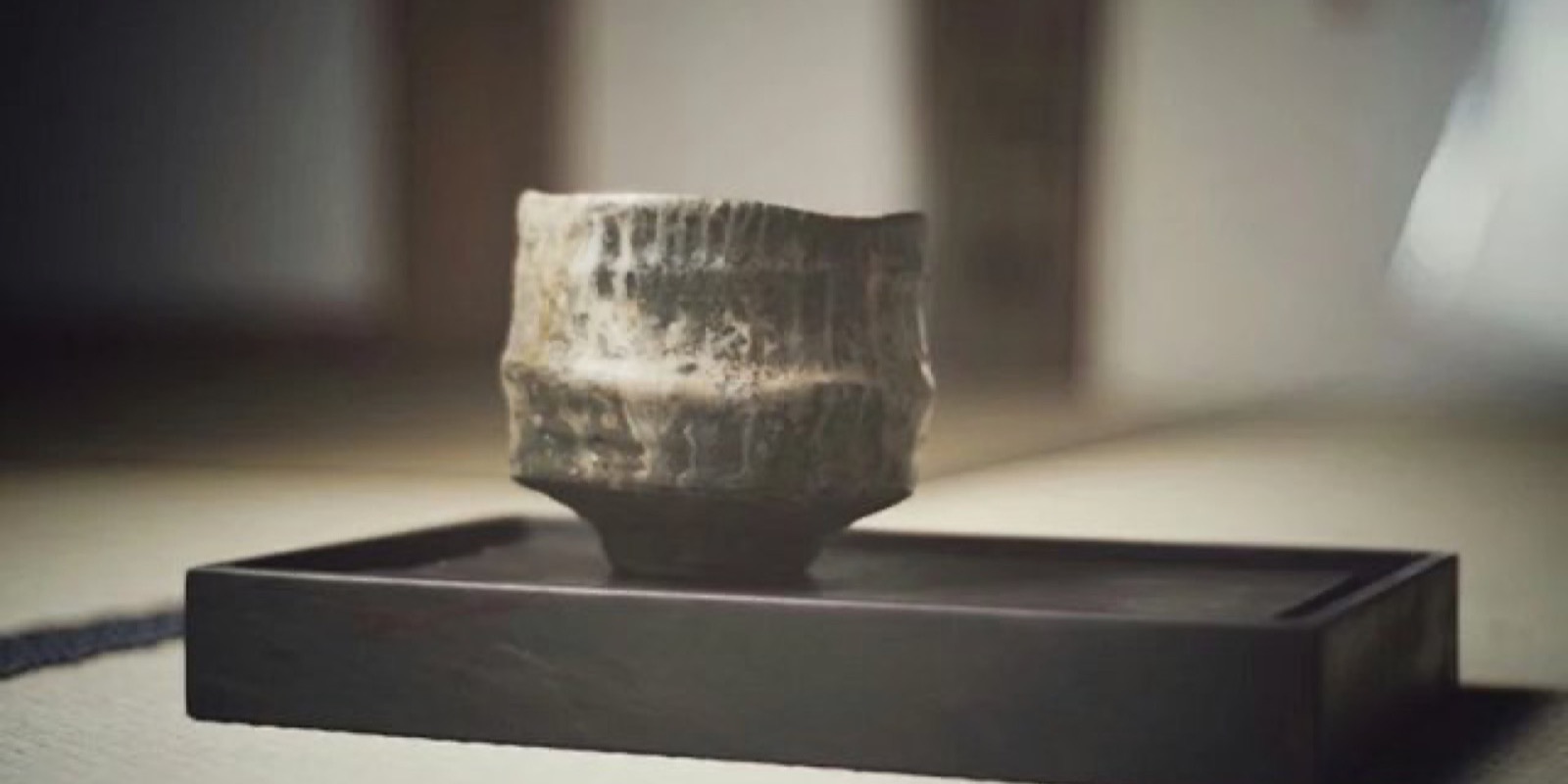
Three Ways to Read One Character
承 means "to bear," "to inherit," and "to take pleasure in." A single slab of Duan stone, built as a tea tray, carries all three meanings depending on how it's used.
-
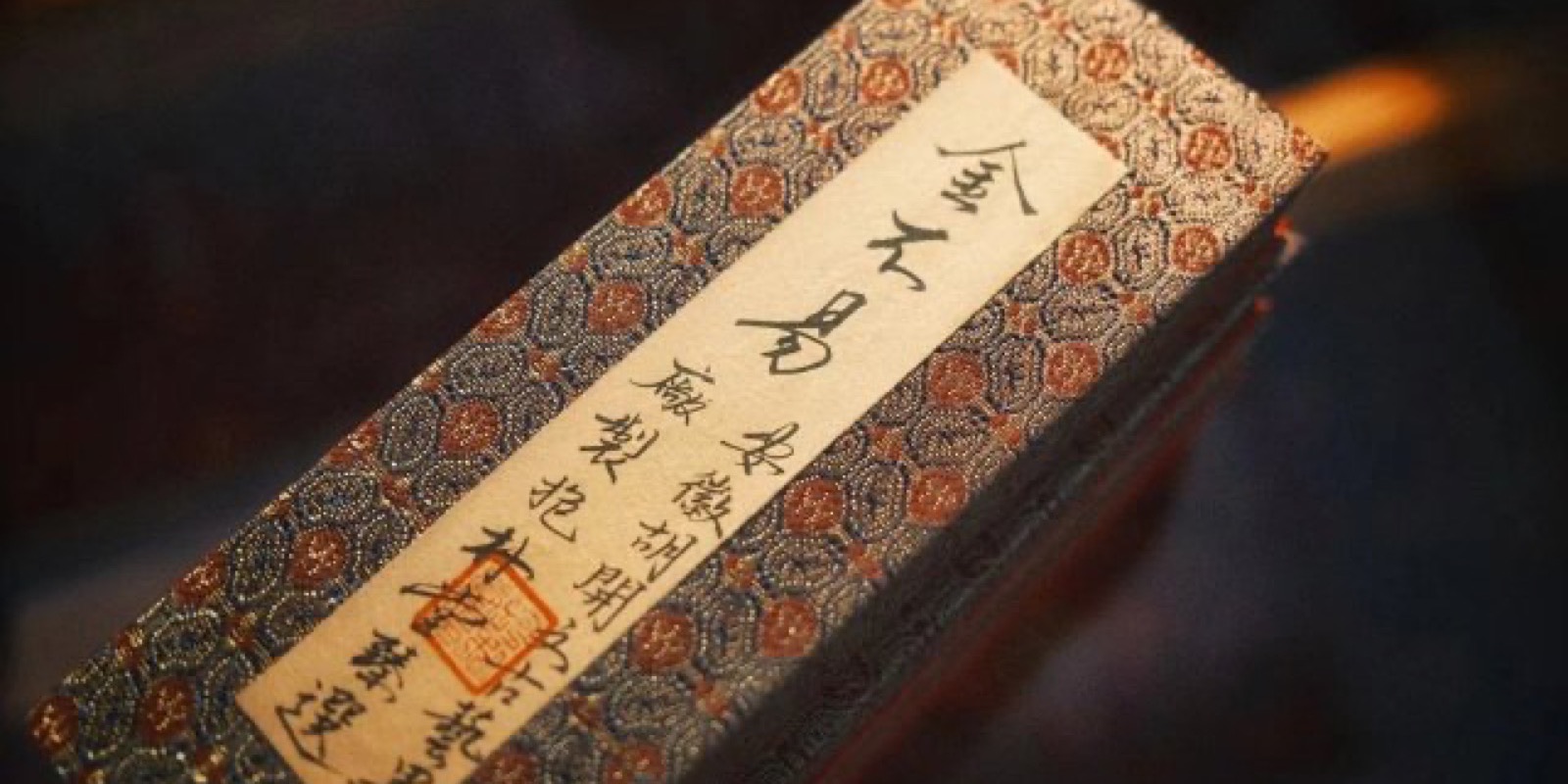
Sixteen Ingredients in One Ink Stick
Wang Chunlin, an Anhui provincial intangible-heritage ink master, blends sixteen medicinal and aromatic ingredients into a single stick of oil-soot ink — meant to be ground slowly, counting to eighty-one.
-
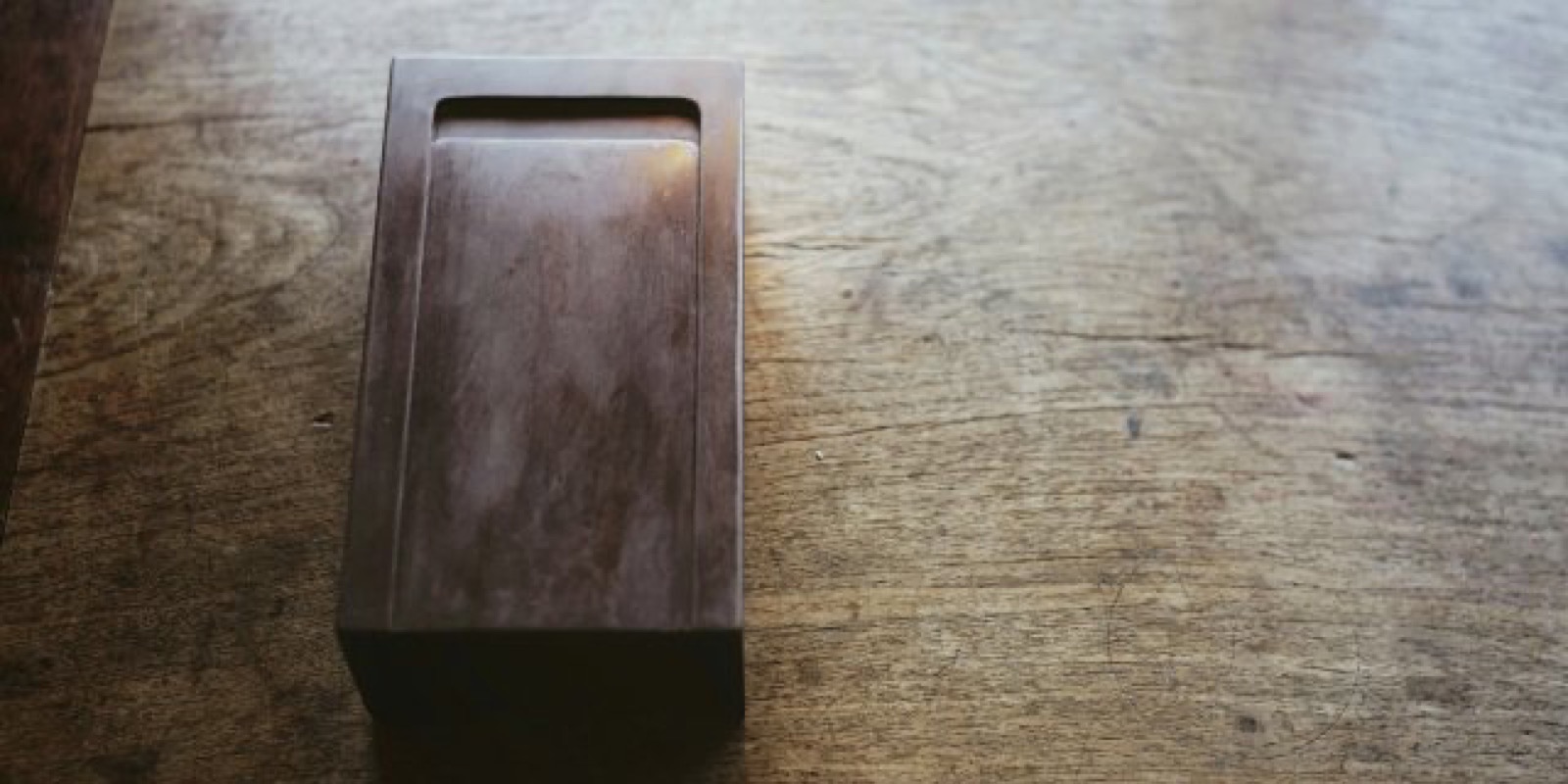
Why the Famous Quarries Are All Closed Now
Of more than 70 historic Duan-stone quarries, barely a dozen are still mined — and the most famous names, Laokeng among them, have been sealed for years. This piece traces that scarcity directly.
-
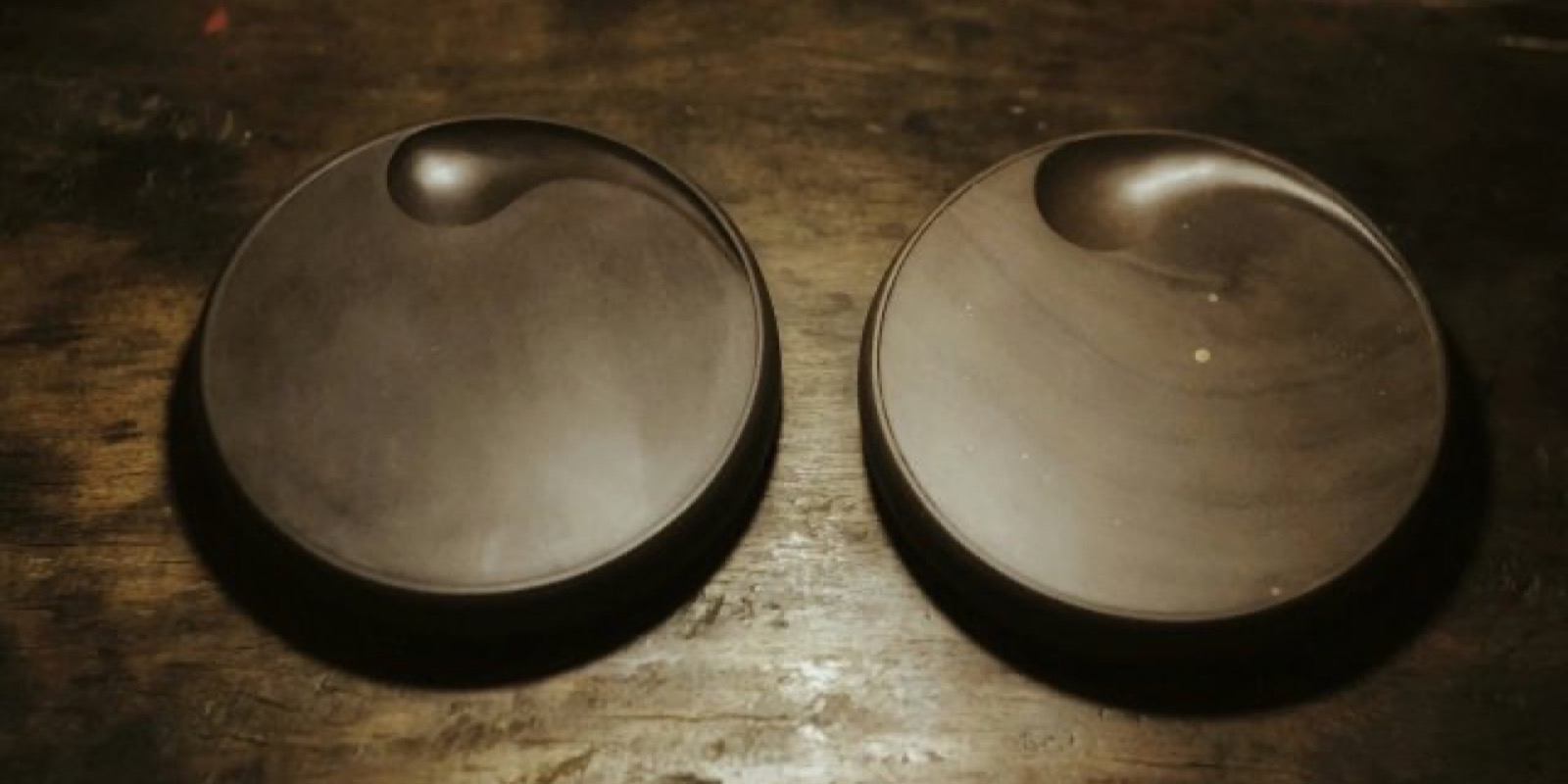
A Pair Cut From the Same Stone, Reading Differently
Two stone drum inkstones, modeled on the shop's own collection of drum forms — same shape, same source, but the grain runs differently in each one.
-
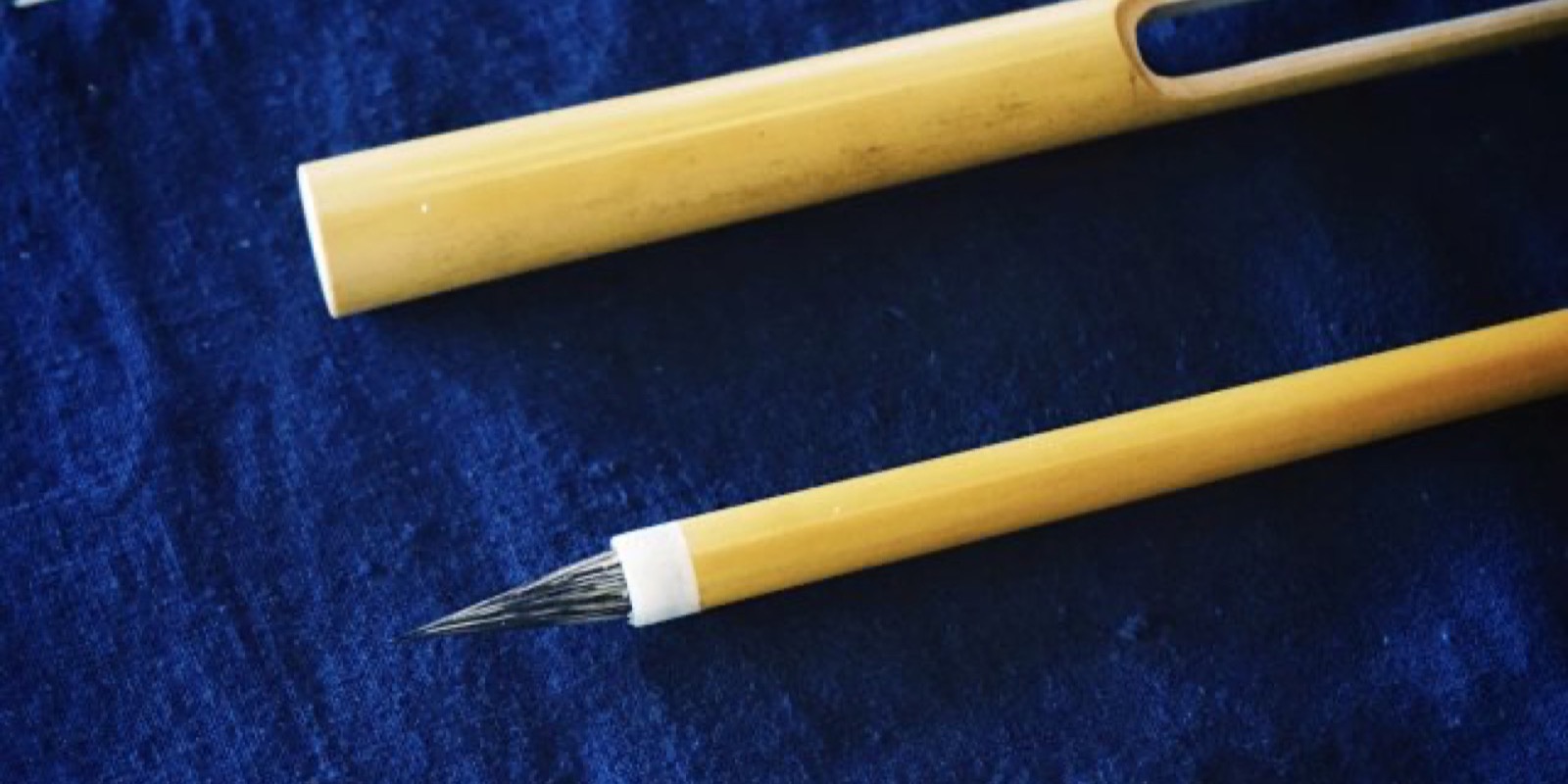
A Brush Pouch Copied From a 2,000-Year-Old Tomb
The travel-pouch brush's design comes from an actual Qin-dynasty burial find — three brushes, bamboo-handled, kept in a hollowed travel case. Xu Huarong rebuilt the idea, five drafts deep, in pure rabbit hair.
-
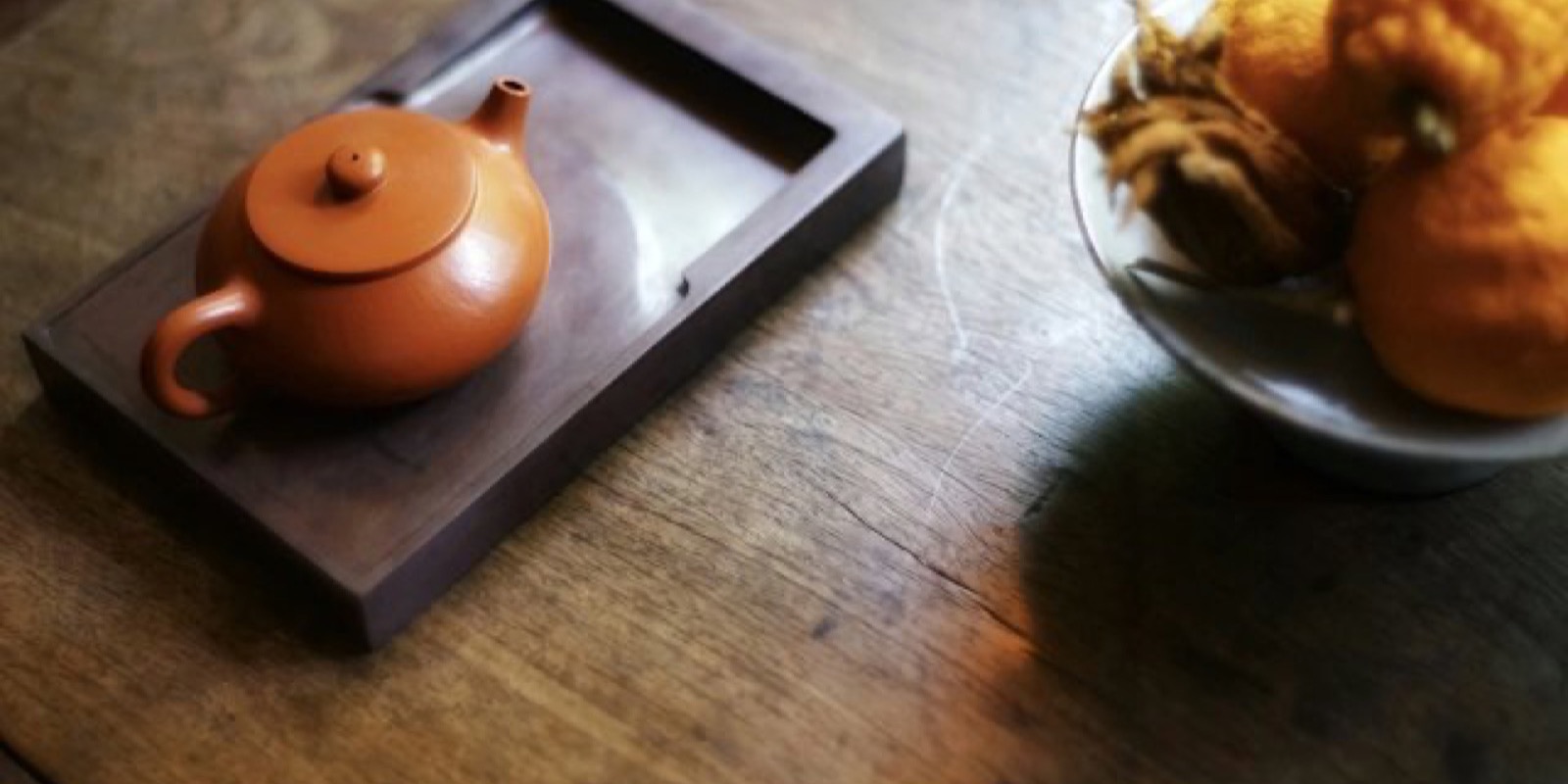
A Different Quarry, the Color of Liver
Most of this series comes from Kengzai stone. This piece comes from a different historic quarry entirely — Beiling Song-pit, with a deep liver-purple color none of the others share.
-
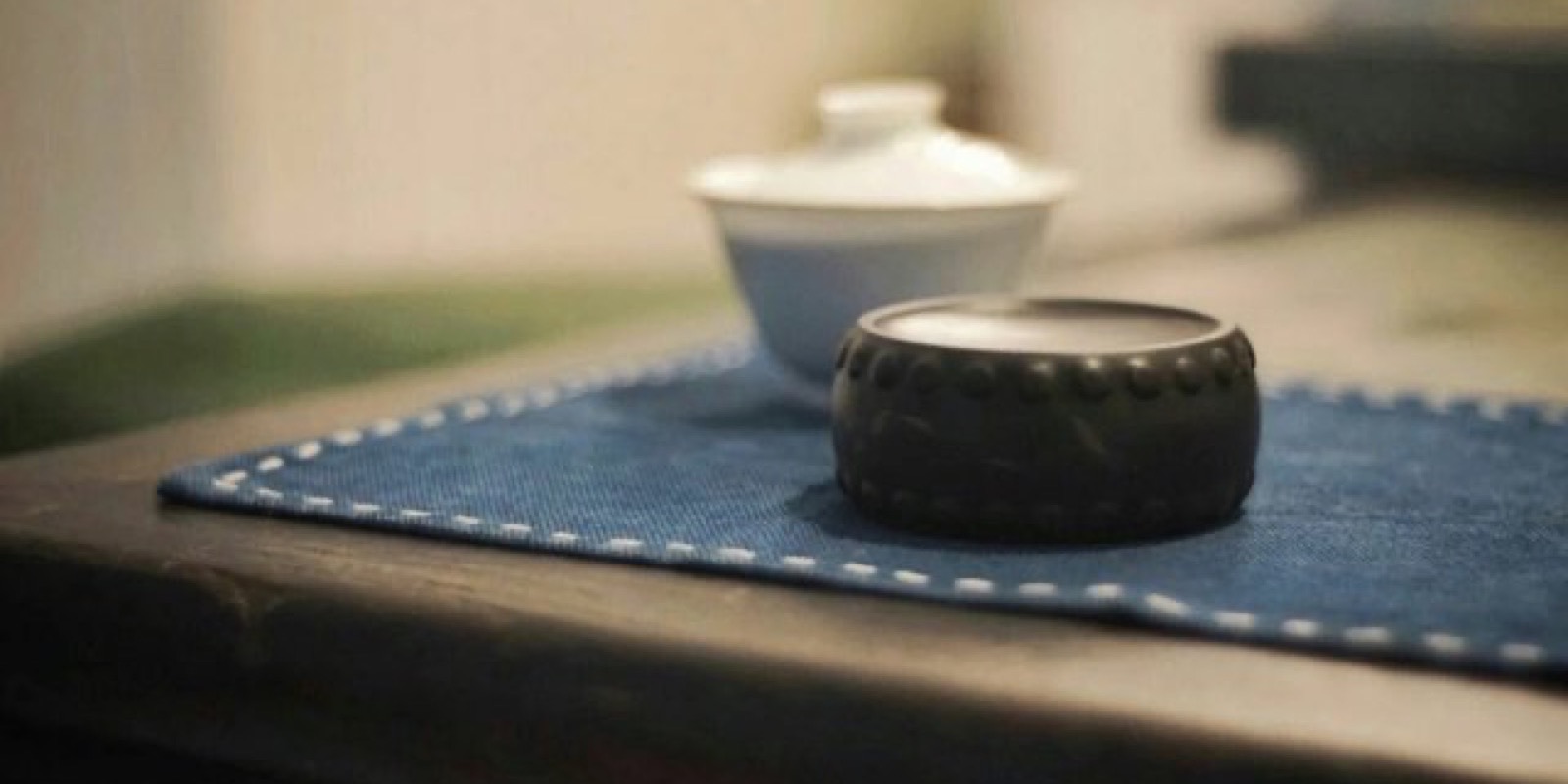
An Inkstone That Doubles as a Candle Holder
Five small drum-shaped inkstones, made because a stack of good old Kengzai stone was sitting in storage — and because the same shape happens to also hold a candle.
-
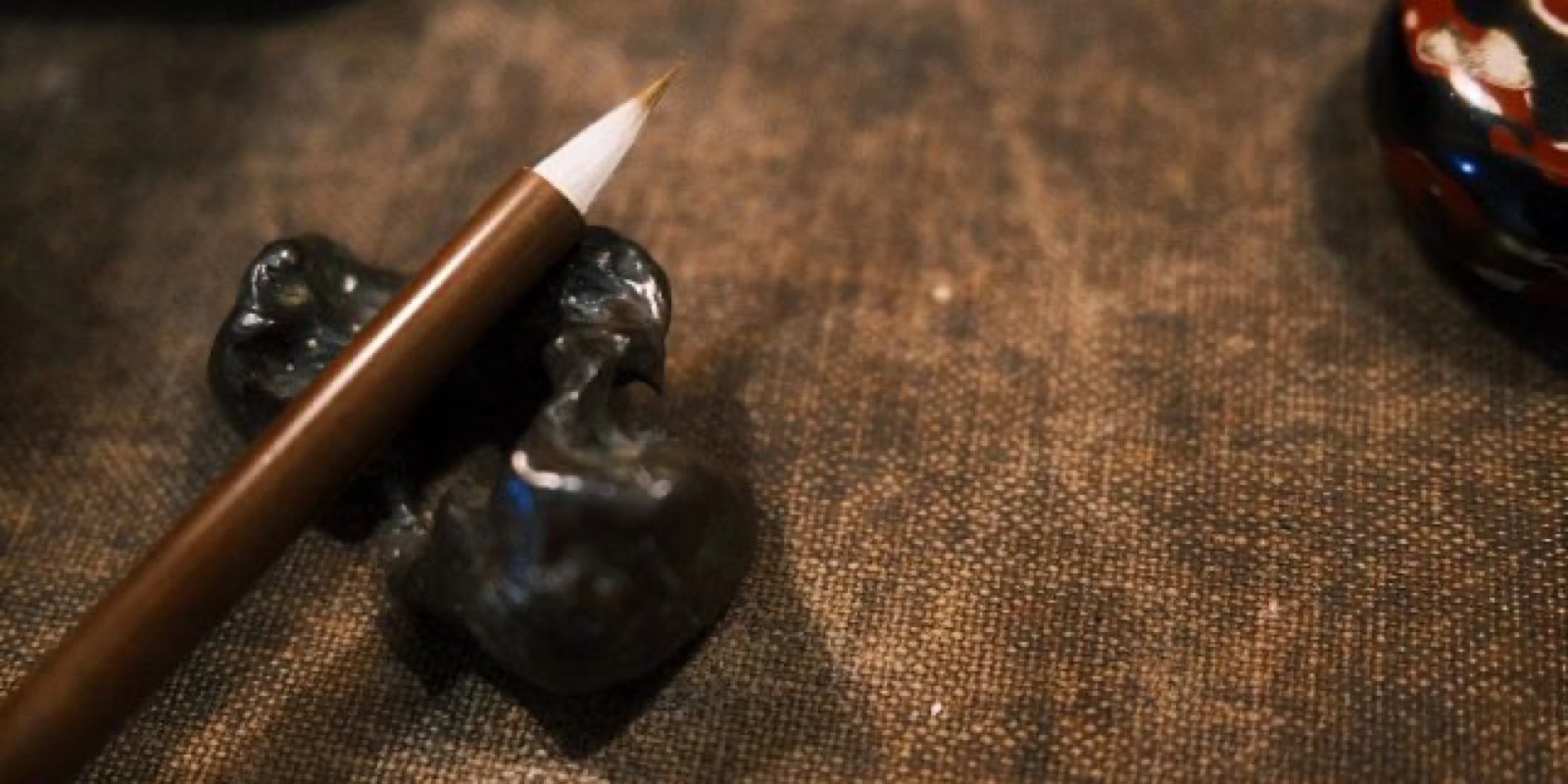
A Brush That Took Two Years
Xu Huarong is China's only recognized intangible-heritage transmitter for chicken-wolf-hair brushes, a technique tracing back to Su Dongpo's exile. This one took two years to finish.
-
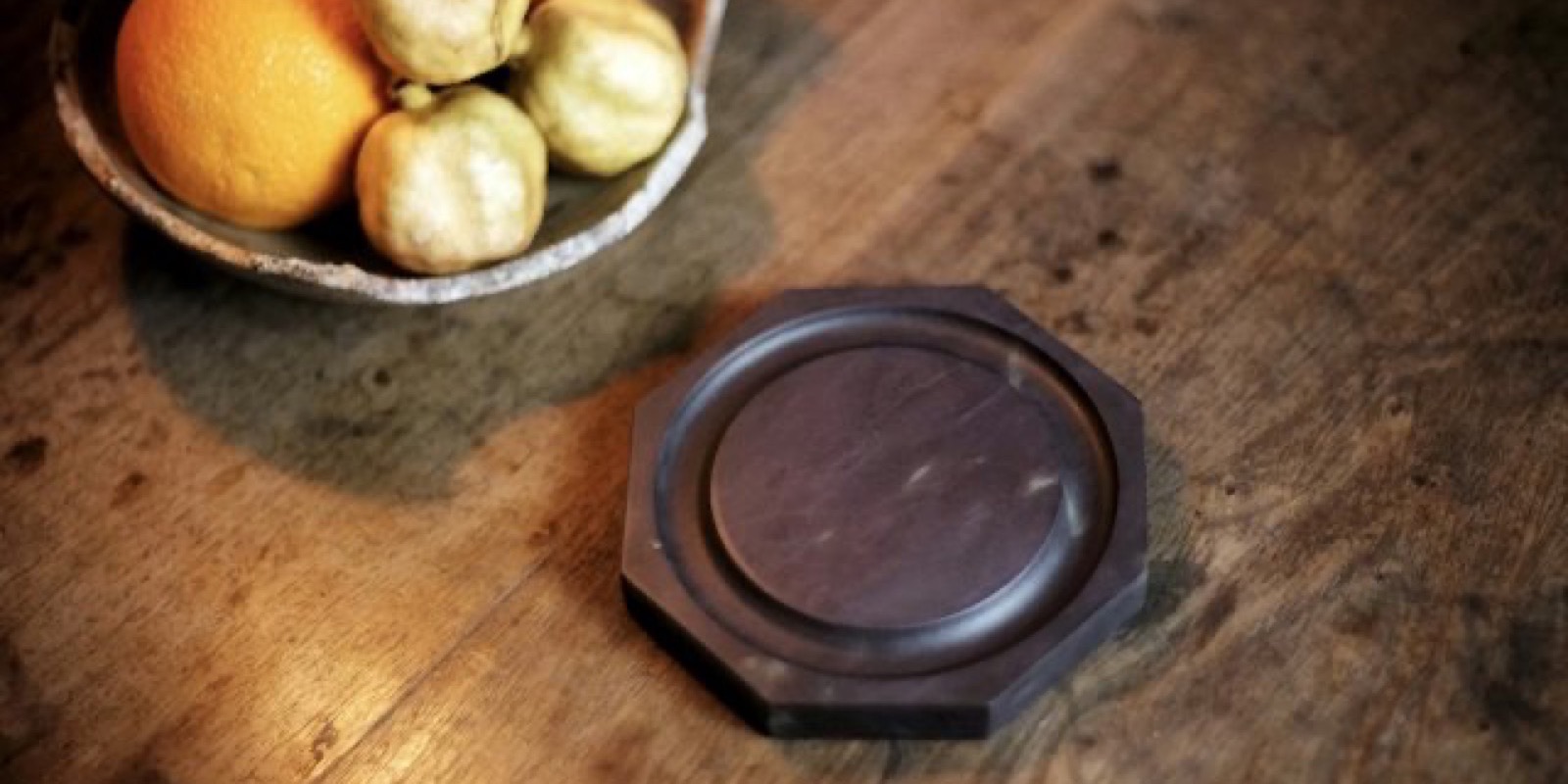
A Shape Borrowed From an Imperial Academy
The Biyong inkstone's round form, set inside an octagonal frame, copies the shape of a Han-dynasty imperial academy — moated on every side, round as a jade disc.
-
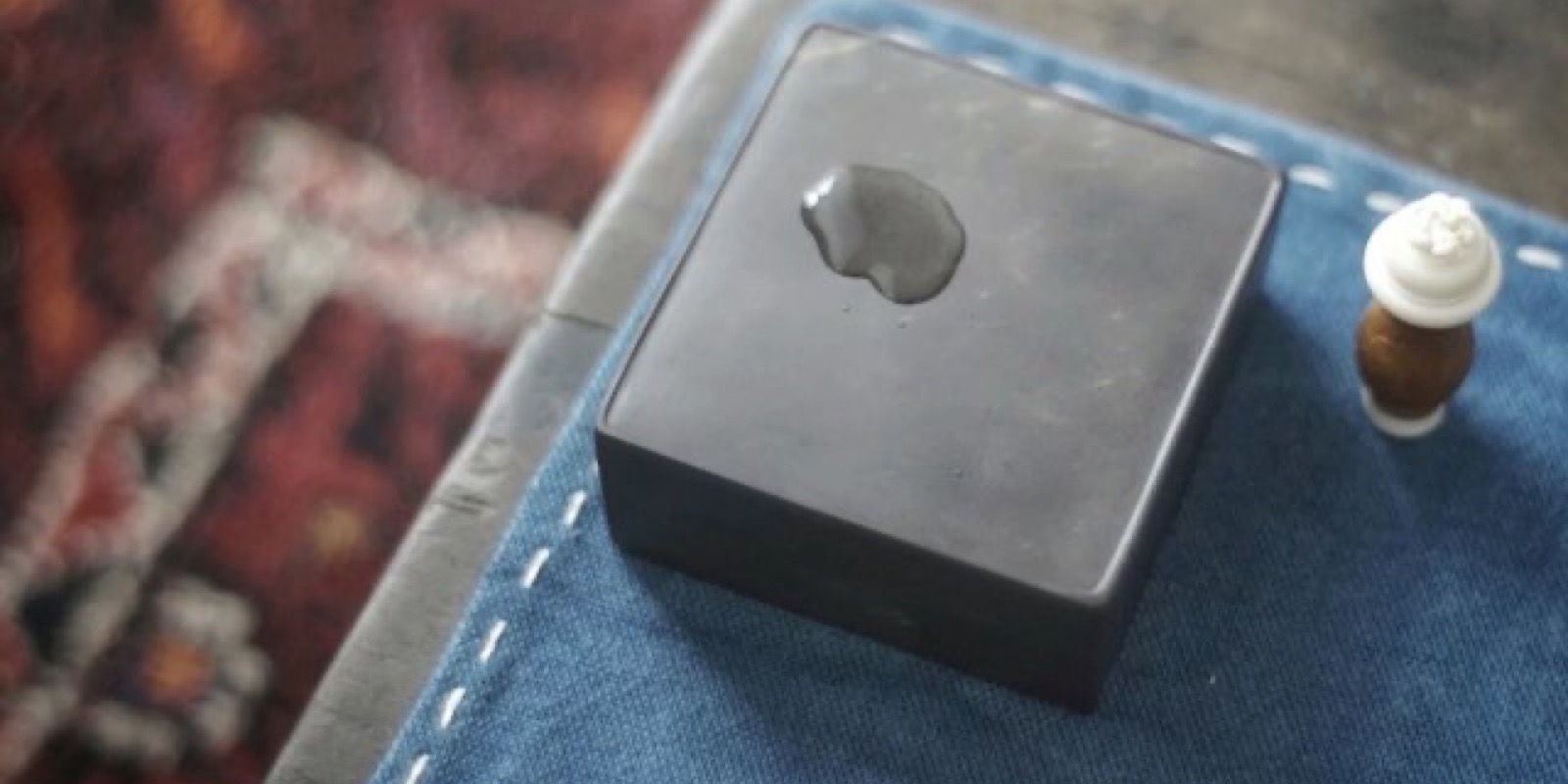
Stone That Aged Like Tea
A square Duan-stone inkstone made from quarry stock Baoputang had set aside since the 1960s — and a craft divided between two pairs of hands, sixty years apart.